Telegram Chat ID vs Peer ID: Telethon Guide
Refer to the Telethon official documentation https://docs.telethon.dev/en/stable/concepts/chats-vs-channels.html
ID is something like this
4011678806
2079829990
6702958858
If you use Forkgram on the desktop, you can see these IDs directly on the interface
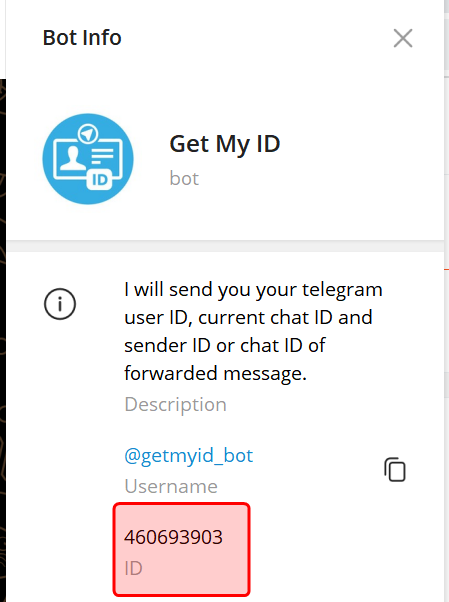

460693903
-4016131921
-1002079829990
Numbers without a sign mean this is a user, a bot is a type of user.
If the number has a minus sign in front, it is a private group.
If the number has -100 in front, it is a channel, or a public group.
When you use the web version of Telegram, you can find such IDs in the browser's address bar


When using the Telethon framework, chat_id is the Peer ID. For example,
@client.on(events.MessageEdited)
@client.on(events.NewMessage())
async def on_greeting(event):
  real_id, peer_type = resolve_id(event.chat_id) # Convert to the official real id
  print(f"event.chat_id {event.chat_id}")
  print(f"real_id {real_id}")
The command line prints something like this:
event.chat_id -1001730207212
real_id 1730207212
event.chat_id -4016131921
real_id 4016131921
from telethon.utils import resolve_id, get_peer_id
from telethon.tl.types import PeerUser, PeerChat, PeerChannel
When using the Telethon framework, event.chat_id and event.message.chat.id are different. Printing them with logs looks something like this:
event.chat_id: -1001742766507
event.message.chat.id: 1742766507
event.chat_id: -4085528054
event.message.chat.id: 4085528054

 Posts


